El Reno Tornado 2013: The Widest Tornado Ever Recorded (2.6 Miles)
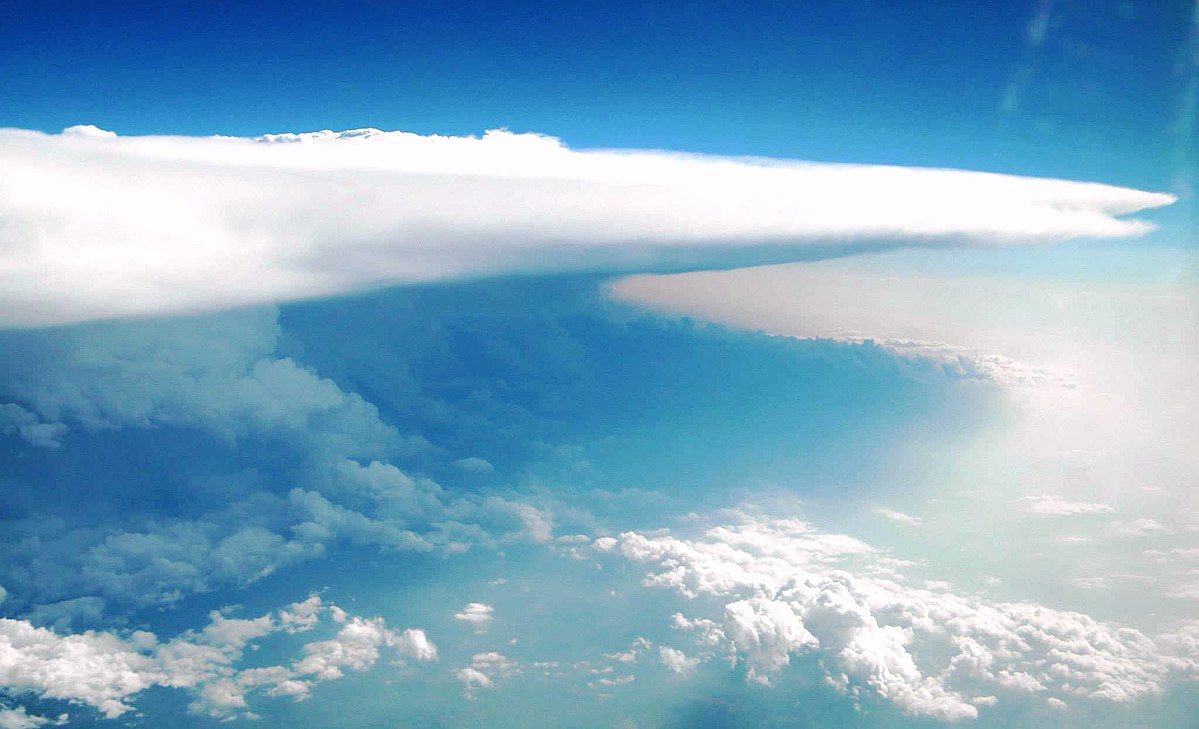
On May 31, 2013, the El Reno tornado reached 2.6 miles wide — the largest ever measured. It killed Tim Samaras and rated EF3 despite 296 mph internal winds. Interactive path map and full archive.
Overview
On May 31, 2013, a singular meteorological event occurred near El Reno, Oklahoma. A massive wedge tornado reached a maximum width of 2.6 miles, officially becoming the widest tornado ever documented. This scale redefined what was considered possible for a single vortex. While structural damage led to an official EF3 rating, mobile Doppler radar recorded internal wind speeds exceeding 296 mph. The event is characterized by this significant discrepancy between measured intensity and damage-based rating. Eight people lost their lives, marking it as one of the most sobering days in the history of storm research. The facts of the El Reno event continue to be studied for what they reveal about the limits of current rating systems and the unpredictable nature of violent sub-vortices.
The Setup
The atmospheric conditions over central Oklahoma on May 31 were exceptionally volatile. A dryline positioned west of the I-35 corridor provided the focus for convective initiation, while high instability and extreme vertical wind shear created an environment capable of producing long-track, violent tornadoes. The Storm Prediction Center had highlighted the region with a 'High Risk' designation early in the day. By mid-afternoon, discrete supercell thunderstorms began to fire along the boundary. One specific cell south of El Reno exhibited rapid organization, developing a massive mesocyclone that would soon produce the record-breaking vortex. Unlike many typical outbreaks, the primary danger this day came not from the number of tornadoes, but from the extreme scale and erratic movement of a single primary circulation.
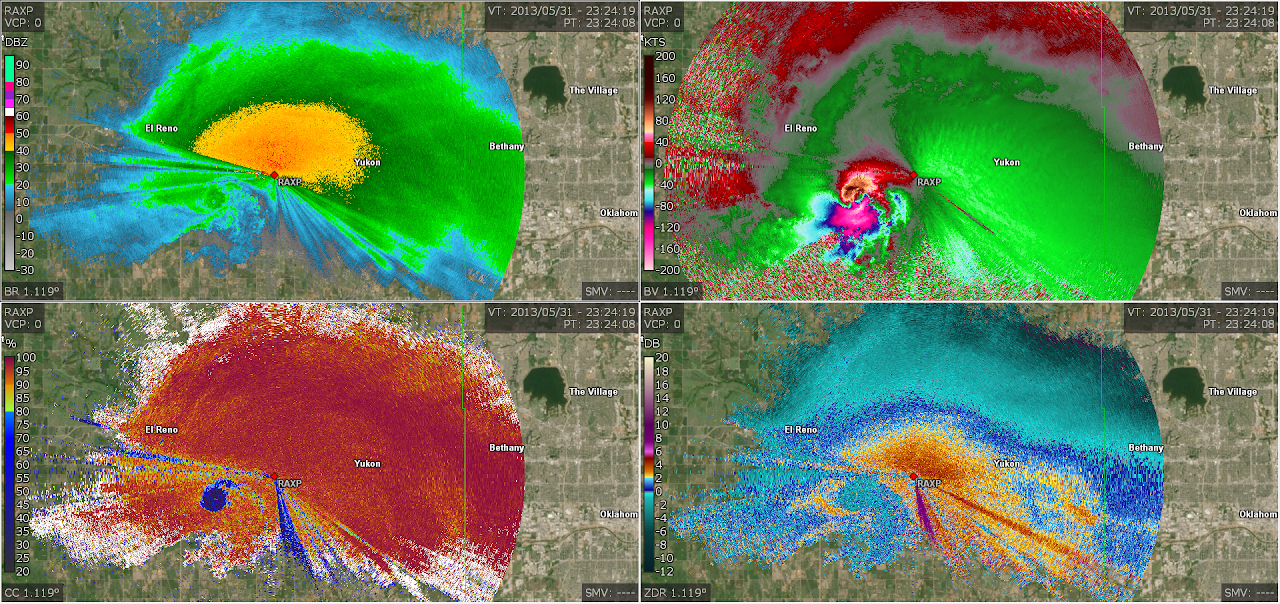
Radar image showing El Reno supercell at peak intensity
The Tornado
The El Reno tornado's life cycle was marked by rapid expansion and complex internal dynamics. It maintained a multi-vortex structure where smaller, high-velocity sub-vortices rotated around a common center. This structure contributed to the 2.6-mile width of the wind field, which far exceeded the visible condensation funnel. The tornado's movement was also highly unusual, featuring sharp directional shifts and speed variations that challenged the positioning of even the most seasoned field researchers. At its peak, the tornado was moving at approximately 55 mph, while its internal sub-vortices were estimated to be rotating at speeds near 300 mph. The visual appearance of the storm was described by many as a wall of low-hanging clouds rather than a traditional funnel.
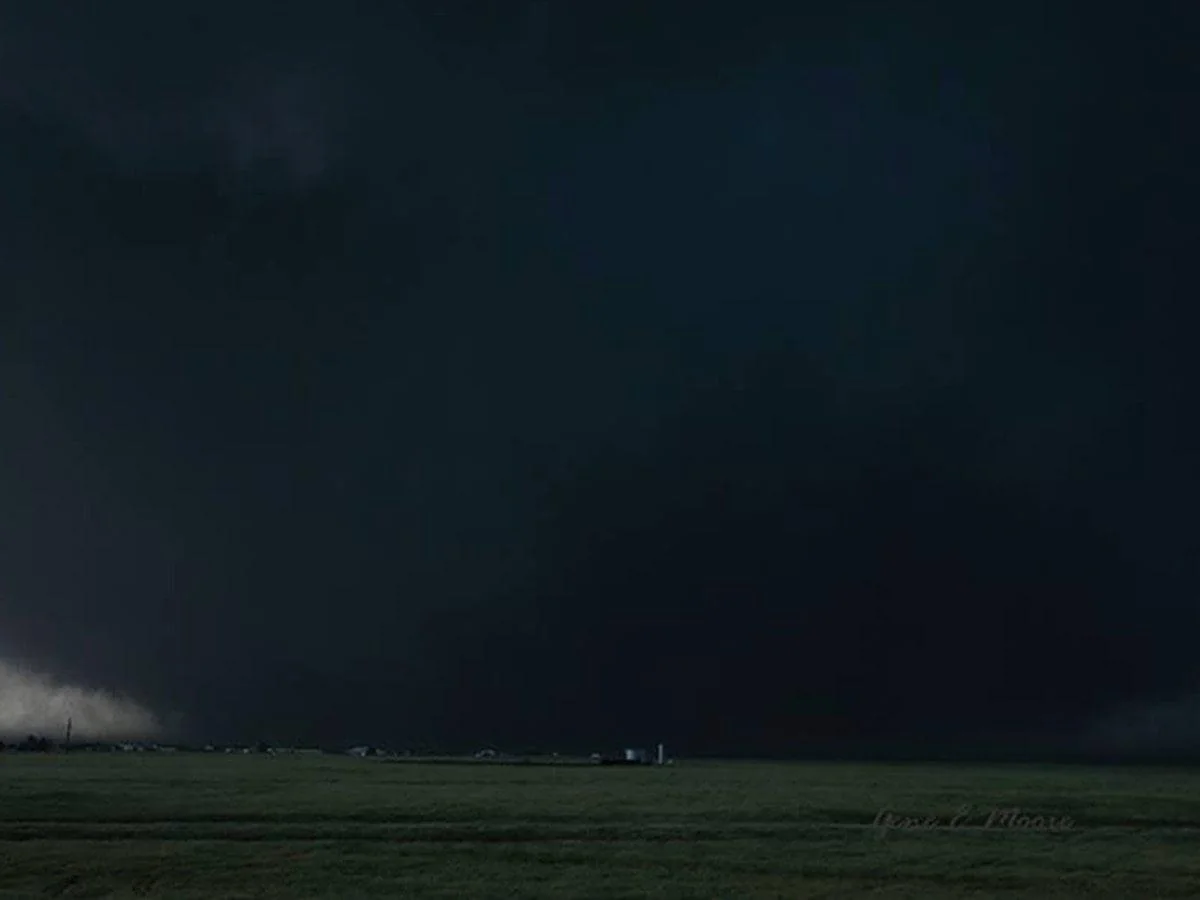
Aerial or ground photograph of El Reno tornado at maximum width
The Rating Problem
The official rating of EF3 for the El Reno tornado highlights a fundamental characteristic of the Enhanced Fujita Scale: it is a damage-based metric. Because the tornado spent the majority of its existence over open fields and rural land, it encountered few man-made structures to destroy. The damage observed on the few structures it did hit reached EF3 levels, and thus the rating was set. However, portable Doppler radar (RaXPol) measured winds of 296-336 mph at low altitudes. This measurement would easily qualify for an EF5 rating if it were used as the primary criteria. This gap between 'measured intensity' and 'damage intensity' remains a point of deep debate in the meteorological community regarding how we classify extreme events that occur in unpopulated areas.
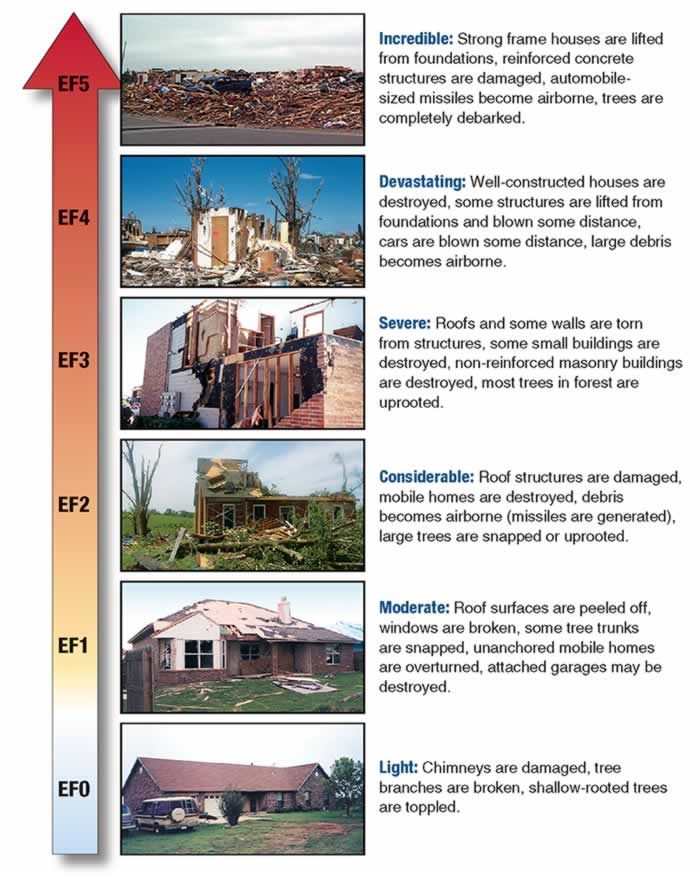
Chart of damage-based EF-scale
Tim Samaras
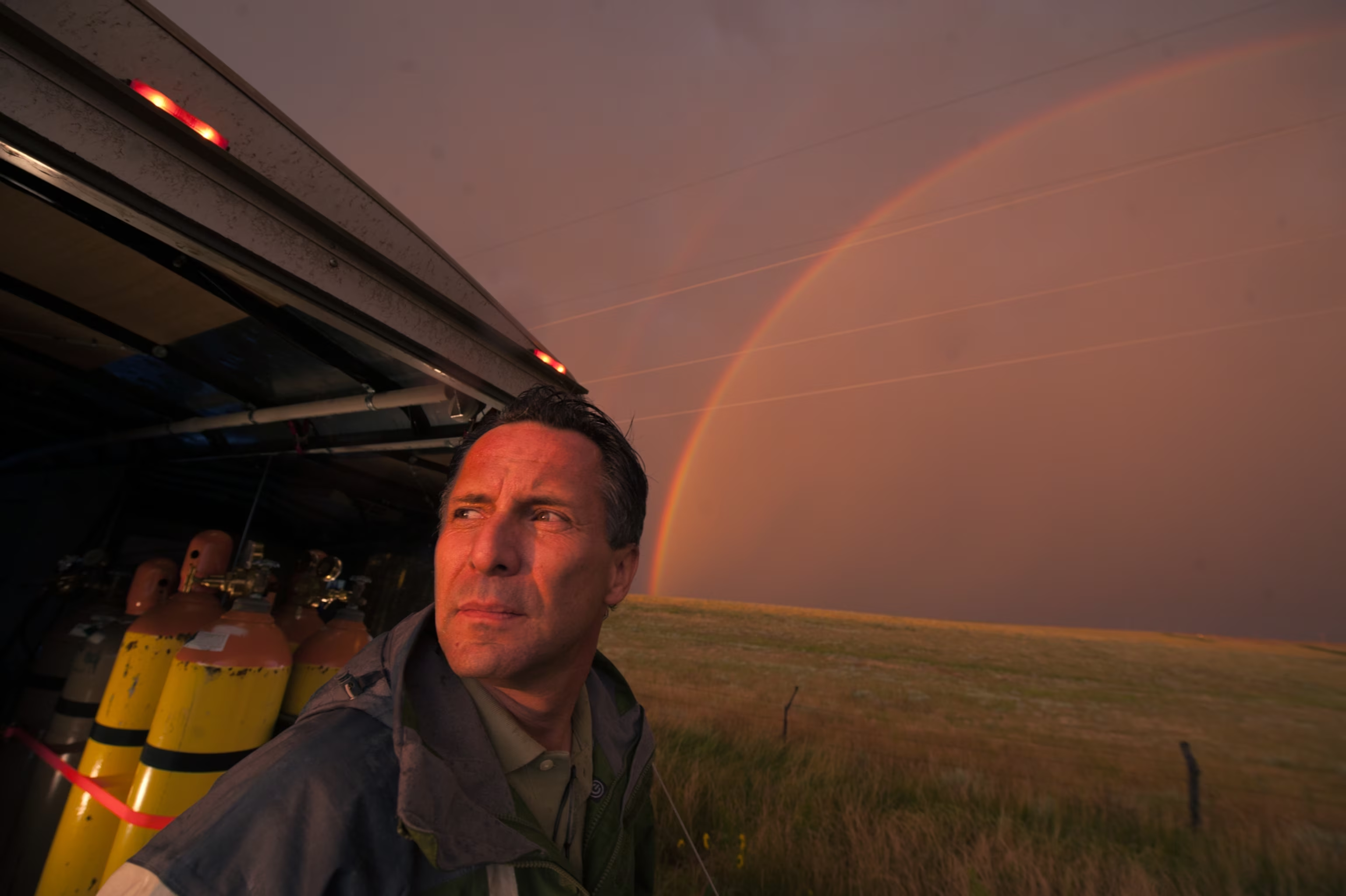
Tim Samaras was a pioneer in tornado research, known for his methodical approach and dedication to science. He founded TWISTEX, a research team focused on placing hardened instrument probes in the path of tornadoes. On May 31, Samaras, his son Paul, and colleague Carl Young were caught by a sudden, violent expansion and directional shift of the El Reno tornado. Their deaths were a profound loss to the meteorological community. Samaras was widely regarded as one of the safest and most experienced chasers in history, emphasizing that if such an event could claim his team, the risks involved in close-range intercept were greater than previously understood. His legacy is one of rigorous data collection and a commitment to understanding the core physics of these storms.
What Changed
The legacy of the 2013 El Reno tornado is one of increased caution and technical refinement. It served as a catalyst for new safety protocols within the storm chasing community, stressing the dangers of erratic storm motion and the limitations of visual observation in large-scale events. In the years since, there has been a significant shift toward utilizing more advanced mobile radar and GPS integration to maintain safer distances. Scientifically, it reinforced the need for better understanding of sub-vortex dynamics and wind field profiles in massive wedge tornadoes. El Reno remains a definitive benchmark in modern meteorology, illustrating that even with advanced forecasting and experienced ground crews, the atmospheric vortex can still exhibit behaviors that exceed our current predictive capabilities.