2007 Greensburg Kansas Tornado: The EF5 That Wiped a Town Off the Map
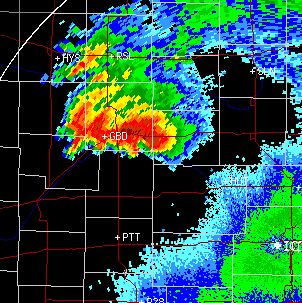
The Greensburg, Kansas EF5 tornado on May 4, 2007 destroyed 95% of the town in minutes. See the full path map, death toll, damage stats, and how Greensburg rebuilt as a green city.
Overview
At 9:03 p.m. on May 4, 2007, a supercell southwest of Greensburg, Kansas produced a tornado that would become the first to receive an EF5 rating under the newly adopted Enhanced Fujita Scale. By 9:41 p.m., it had struck the heart of Greensburg with a wind field 1.7 miles wide, destroying 95 percent of the city in complete darkness. Eleven people died. The town of 1,400 residents lost its hospital, city hall, three schools, and nearly every home. Its recovery would become as significant to science as its destruction.
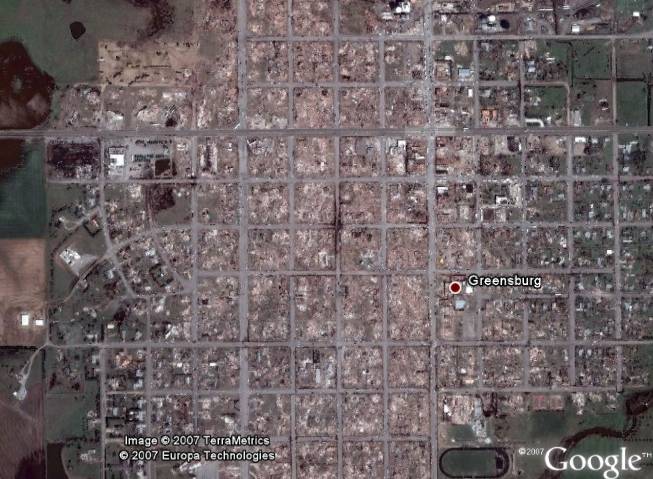
NASA satellite image of the tan damage scar left across Greensburg, Kansas, visible from space
The Setup
The environment on May 4 was a classic high-plains late spring setup: a rotating supercell developing on the western flank of a large mesoscale convective system, drawing on high CAPE and deep-layer shear. The tornado formed in near-complete darkness. Rural western Kansas has minimal light pollution, and the cloud cover eliminated even ambient starlight. The NWS issued a Tornado Emergency as the storm approached the city, giving residents approximately 20 minutes of advanced warning. Given the nighttime conditions and the near-total destruction of the town, the relatively low death toll was a direct result of that warning.
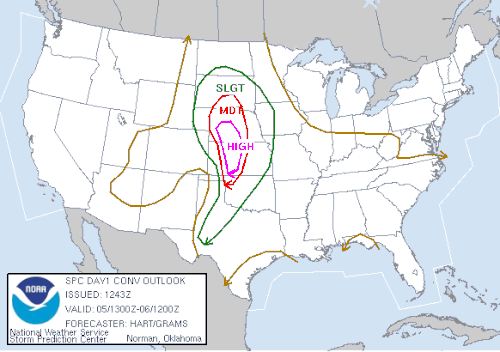
SPC High Risk outlook map for May 4, 2007, targeting southwest Kansas
The Tornado
Residents who survived described the approach as a wall of sound in total darkness, punctuated by continuous lightning that gave strobing glimpses of the tornado. The 1.7-mile wind field left nothing identifiable standing along its central path. Greensburg's hospital was destroyed. The water tower was toppled. A meteorite on display at the local museum, the Greensburg meteorite, was buried under debris from the collapse of its display building and later recovered. The obliteration of modern reinforced structures across the central path provided the forensic engineers assessing the new EF Scale with exceptional data.
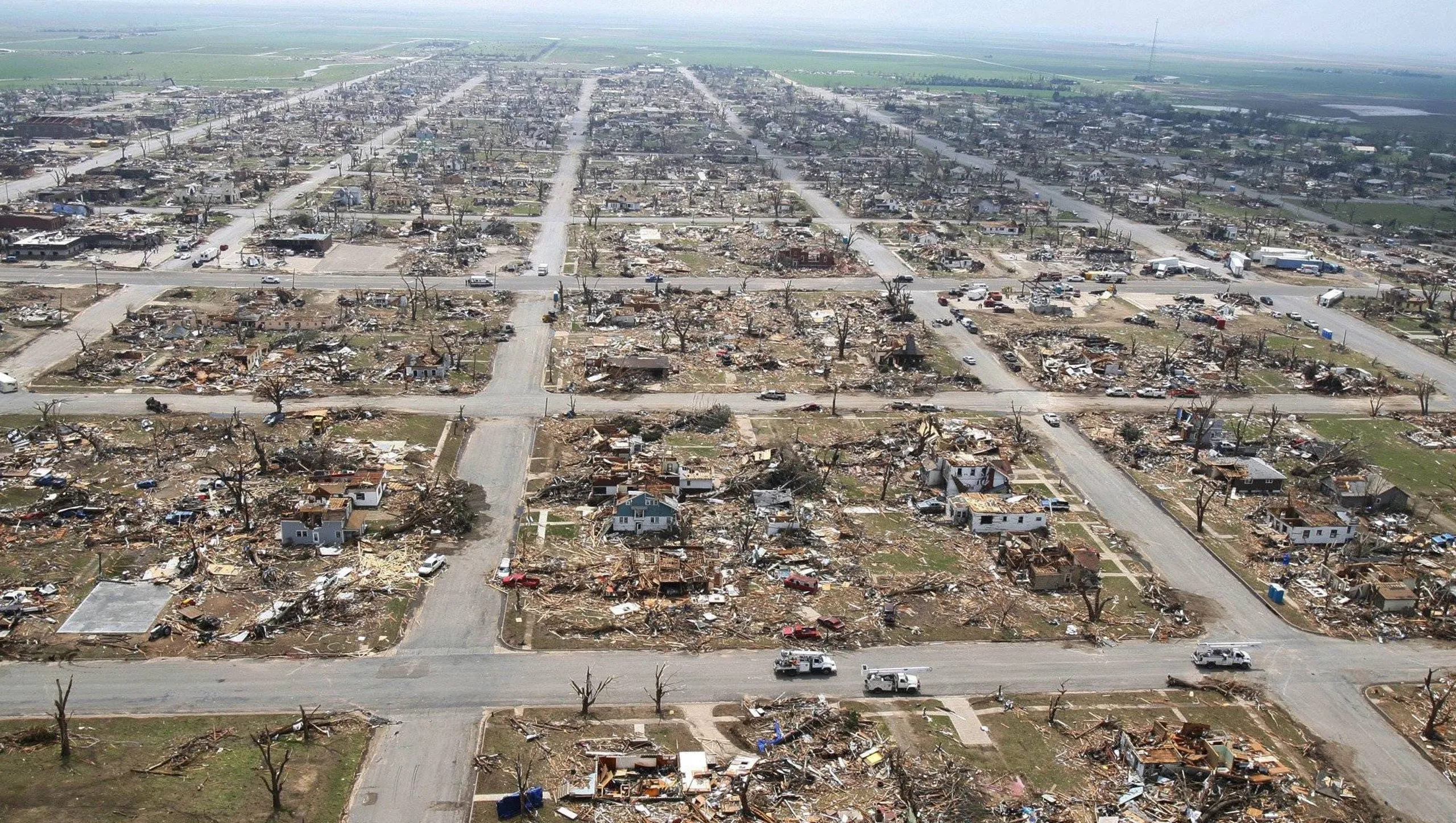
Television news aerial over Greensburg the morning after, showing the scale of total destruction
The EF Scale
The Enhanced Fujita Scale had only been in use for three months when the Greensburg tornado struck. The assessment team, led by engineer Tim Marshall, found that 53 homes had slid off their foundations due to anchor bolt failures, not because the wall framing failed first. This distinction was important. It meant the connection between the structure and the foundation was the most critical single failure point, and that the EF Scale Damage Indicators needed to account for this mode of failure explicitly. Greensburg provided the first large-scale real-world validation dataset for the new scale and refined several of its wind speed thresholds.
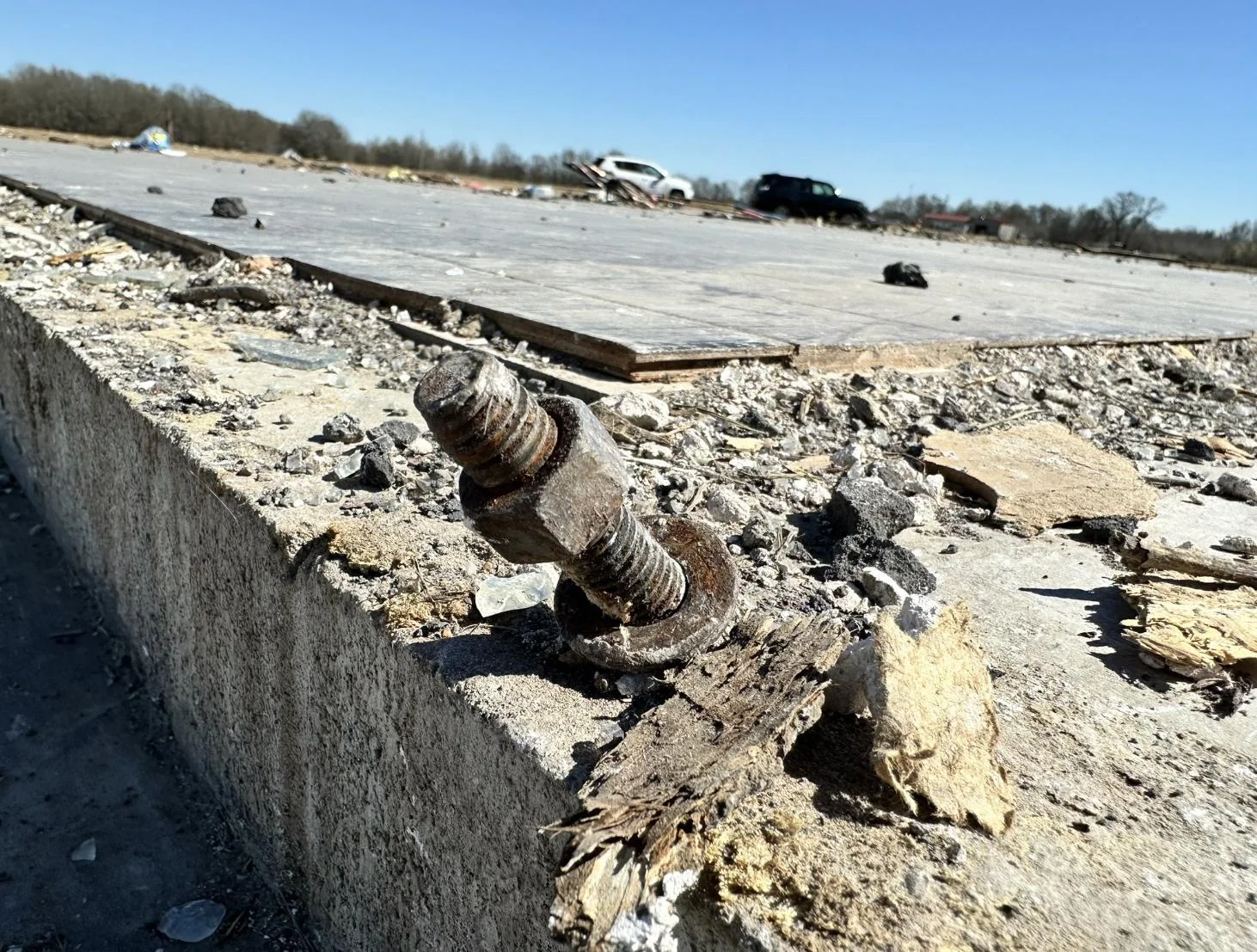
Engineering analyst Tim Marshall surveying Greensburg anchor bolt failure patterns during EF5 assessment
What Changed
Greensburg rebuilt. The choice to do so as a sustainable community was deliberate and nationally recognized. The new Greensburg runs on 100% wind power. Its public buildings are LEED-certified. The process of rebuilding from near-total destruction gave the town an opportunity to implement an energy and engineering infrastructure that most established cities cannot retrofit. The scientific literature on damage from the event informed the next revision of residential construction standards in high-risk areas. Greensburg simultaneously became a case study in tornado destruction and a model for what a community can become after one.
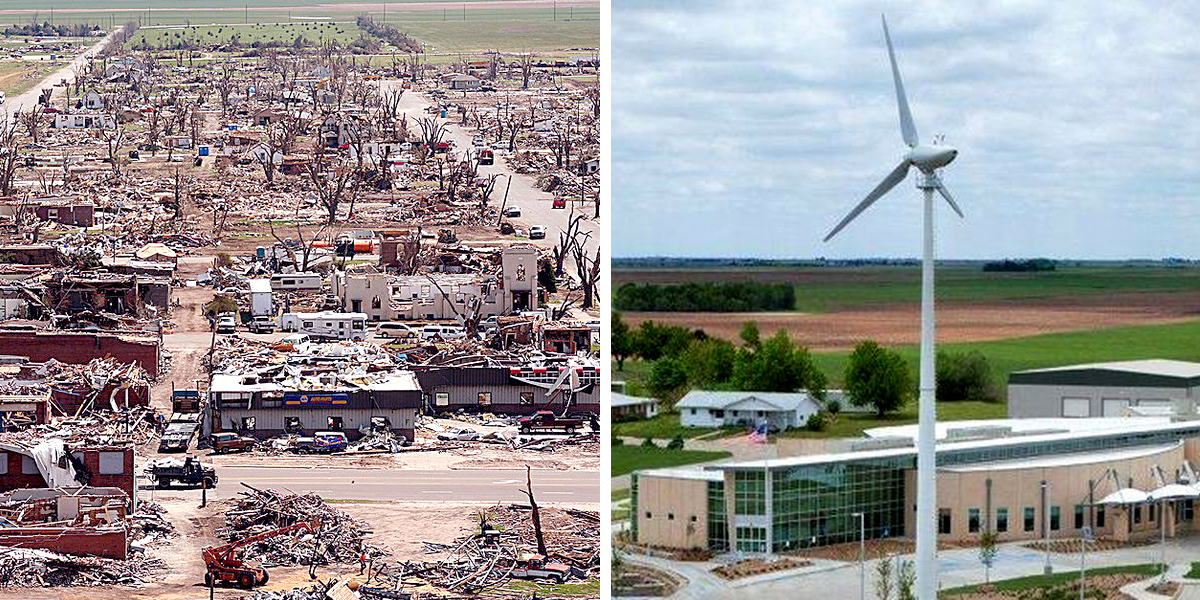
Photograph of rebuilt Greensburg with LEED-certified wind-powered infrastructure, a model of sustainable disaster recovery