Famous Storm Chasers in History
The scientists and observers who defined storm chasing as both a discipline and a culture. Ted Fujita, Roger Jensen, David Hoadley, and Tim Samaras.
Storm chasing as an organised activity developed over the second half of the twentieth century, driven by a small number of people who treated severe weather as something to be understood rather than simply endured. The figures who shaped the field came from different backgrounds and different motivations. What they shared was a willingness to get close to the thing everyone else was moving away from, and to document what they found.
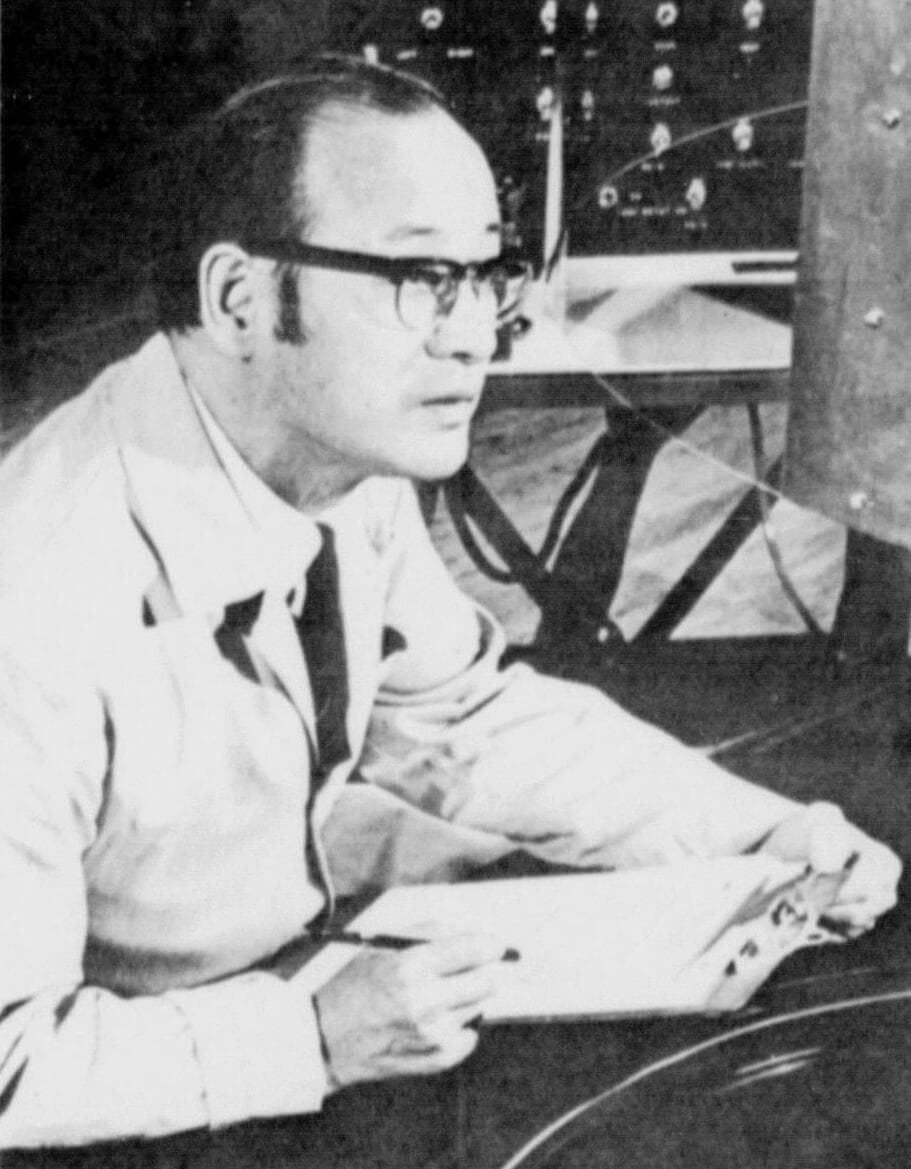
Ted Fujita (1920–1998)
Tetsuya Theodore Fujita was a Japanese-American meteorologist at the University of Chicago who became the most consequential researcher in tornado science. He was not primarily a field chaser. His contribution was analytical: the systematic study of tornado damage using aerial surveys and ground-level investigation.
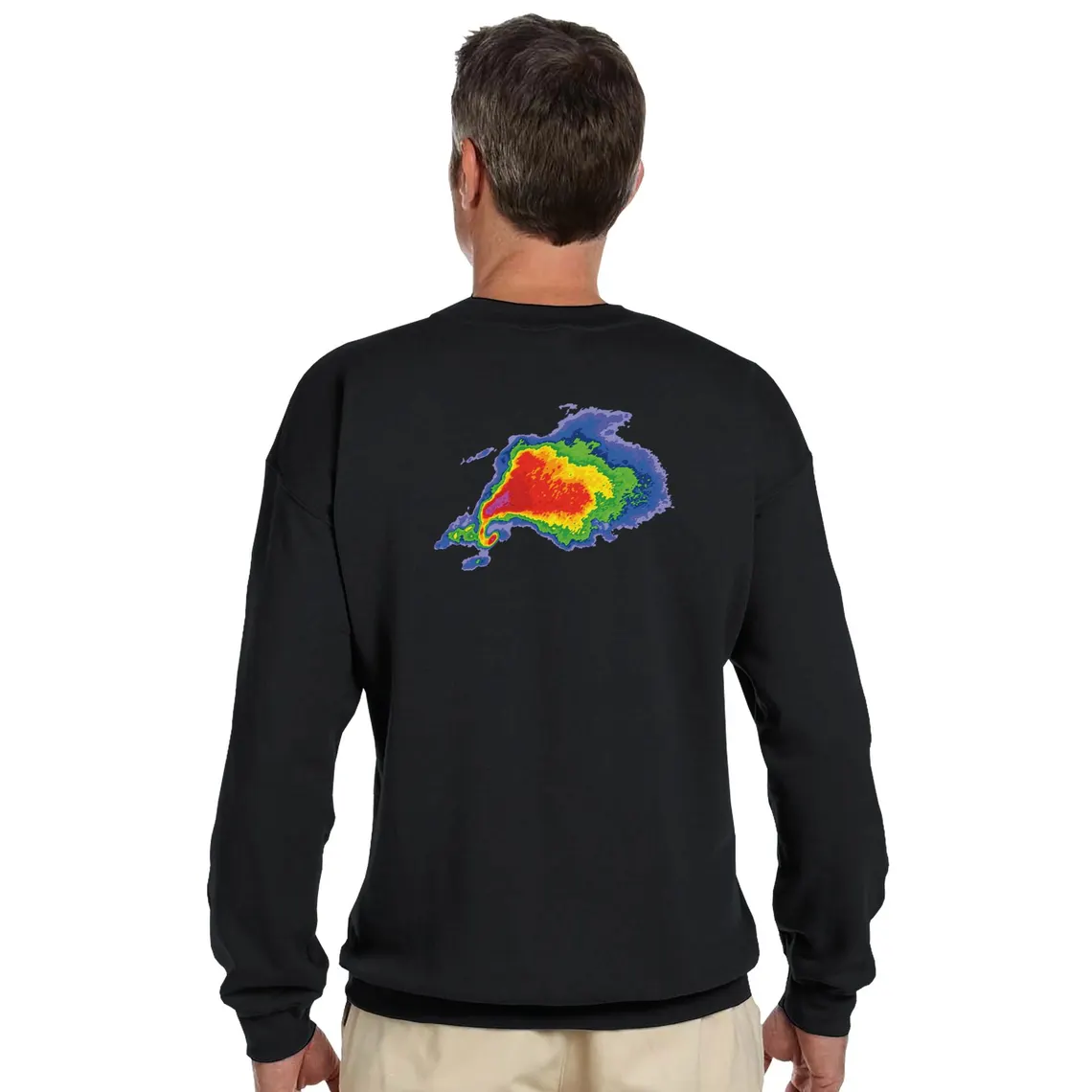
After the 1974 Super Outbreak, Fujita chartered aircraft and flew hundreds of miles of tornado damage paths, photographing and mapping the destruction at a level of detail that had never been attempted. His aerial surveys identified the swirling marks left by multiple suction vortices within a single tornado, proving through physical evidence alone that large tornadoes often contain several smaller, intensely damaging sub-vortices rotating around the main circulation.
Fujita coined or formalised much of the vocabulary still used in tornado research: the mesocyclone, the microburst, the wall cloud, the hook echo. The scale that bears his name remains the framework for rating tornado intensity, even in its Enhanced form. His work was painstaking, ground-based science conducted by someone who flew over disaster zones with a camera and a notebook and reasoned backward from what the wind left behind.
Roger Jensen (1933–1998)
Roger Jensen is generally credited as the first person to intentionally intercept a tornado and film it from a moving vehicle. On 12 June 1953, Jensen filmed a tornado near Fergus Falls, Minnesota from his car, producing footage that at the time had no equivalent. Tornado photography existed, but the idea of deliberately driving toward a tornado to document it had not been formalised as an activity.
Jensen was an amateur weather observer in North Dakota and Minnesota who spent much of his life chasing storms across the northern plains. He did not publish and did not seek an academic profile. His significance is foundational: he established that the approach was possible and that film could come back from it.
David Hoadley (1938–2019)
David Hoadley is considered the father of organised recreational storm chasing. In 1977 he founded Storm Track, a mimeographed newsletter that became the primary community organ for chasers throughout the late 1970s and 1980s. Before the internet, before social media, before real-time radar, Storm Track was how people who chased compared notes, shared techniques, and connected with each other.
Hoadley began chasing in the 1950s as a young man in the Bismarck, North Dakota area, and continued for over six decades. His emphasis was always on the meteorological understanding that should precede and inform any chase decision. He was persistent in his insistence that chasing required meaningful knowledge of atmospheric science, not just the desire for excitement.
Storm Track ran for over two decades and documented the evolution of chase methodology through the pre-computer era. Hoadley's contribution was organisational and cultural as much as scientific: he built the community that made modern storm chasing recognisable.
Tim Samaras (1957–2013)
Tim Samaras was an engineer and storm researcher who approached chasing with a level of methodical precision that distinguished him from most field operators. His primary work involved deploying instrument probes in the path of tornadoes to record direct pressure, temperature, moisture, and wind data from within or near the surface circulation. These measurements, taken from inside the tornado environment, remained exceptionally rare in 2013 because of the obvious difficulty of getting instruments into position on tornado tracks.
Samaras founded TWISTEX, a small research team that spent years refining probe design and deployment technique. His 2003 probe intercept produced one of the highest-quality direct measurements of tornado internal pressure ever recorded. He operated with extreme care and was widely respected in the chasing community for his safety discipline and his willingness to abandon a deployment if conditions shifted in ways that increased risk beyond acceptable margins.
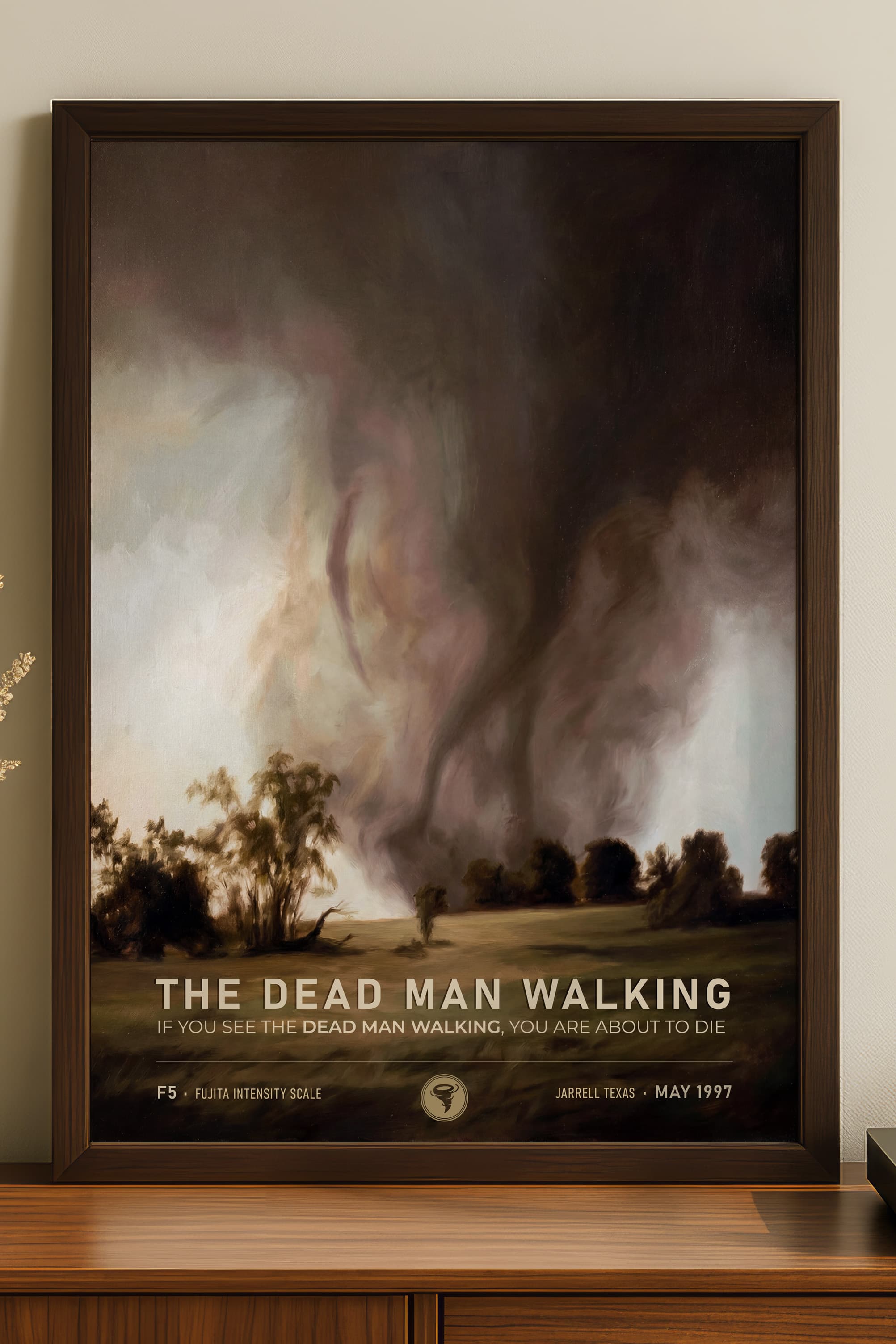
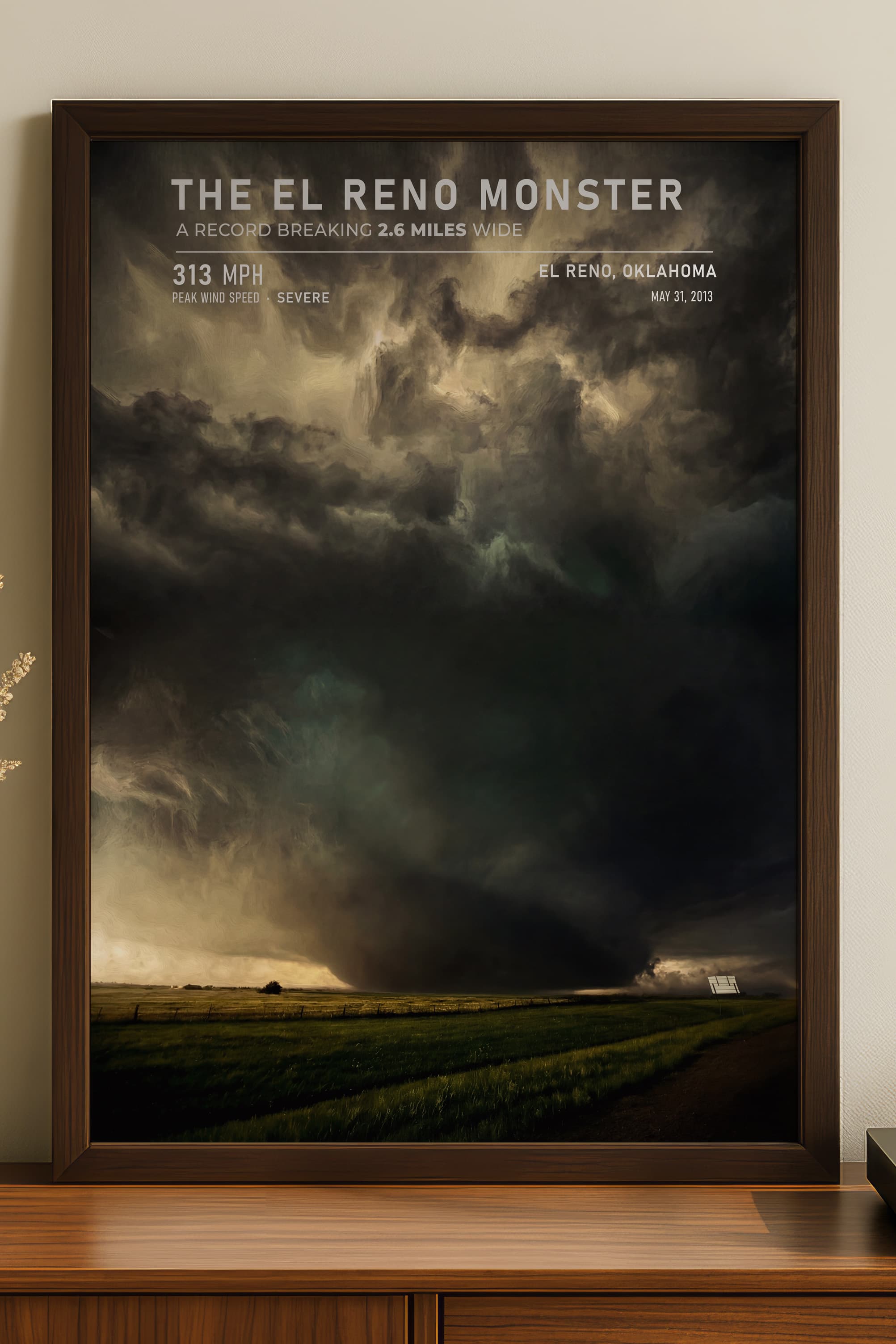
On 31 May 2013, Samaras, his son Paul, and crew member Carl Young were killed by the El Reno tornado when it made unexpected direction changes and expanded rapidly. The tornado at that moment was the widest ever recorded, more than 2.6 miles across, and was moving in directions that violated standard positioning assumptions. Samaras had done everything correctly given the information available. The storm behaved in ways that standard safety margins did not account for.
His death did not validate recklessness as an alternative approach. It validated the difficulty of the work he had chosen to do carefully.
The Culture They Built
These four figures span the full range of what storm chasing became: the scientific foundation, the first documented intercept, the community builder, and the applied researcher. Most people who chase today are working within a practice shaped by their contributions, whether or not they are aware of that lineage.
If you are at the start of that practice yourself, the storm chasing beginners guide covers the foundational knowledge and tools that every serious chaser starts with.
The bar set by the people in this article was not spectacle. It was rigour.
Archives for storm chasers and meteorology obsessives
Museum-quality prints and technical apparel built on real data. Designed by those who chase.