What Are Mammatus Clouds?
Mammatus clouds form through sinking air rather than rising air, making them unusual among cloud types. What they are, how they form, and what they tell you about the storm above.
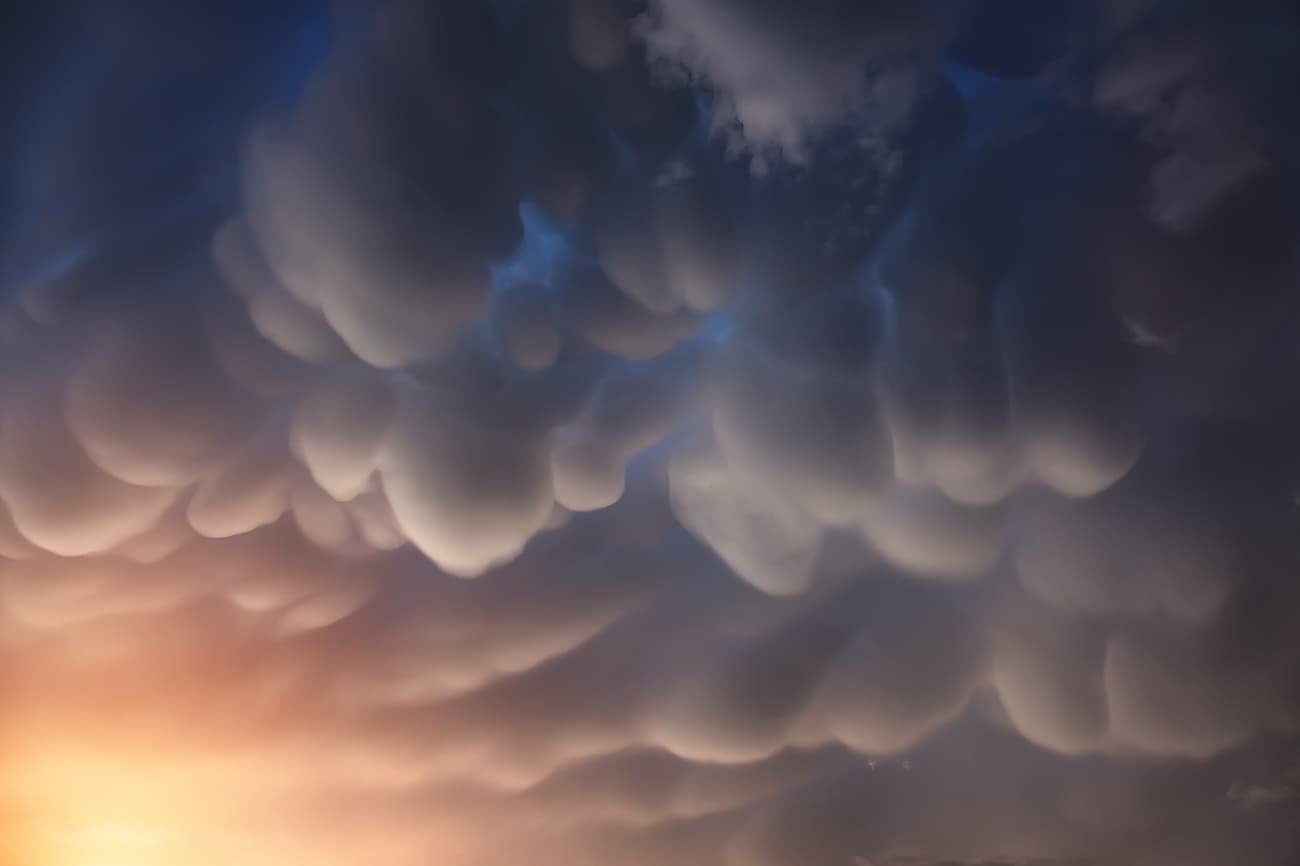
Mammatus clouds form through a process that runs contrary to almost every other cloud type: sinking air rather than rising air drives their development. The result is the distinctive hanging pouch structure that makes them immediately recognisable to anyone who has seen a mature thunderstorm anvil from below.
How They Form
The standard process for cloud formation involves moist air rising, cooling, and condensing. Mammatus invert this. They develop at the underside of a cumulonimbus anvil when sinking air carrying ice crystals and liquid water droplets descends below the anvil base into drier, warmer air beneath it.
As this cloudy air sinks, it cools the surrounding environment through evaporation. The interplay between the sinking cloud material and the buoyancy of the surrounding air produces the lobed, pouch-like structures. Each lobe is essentially a small pocket of descending air that has cooled enough to remain visible. This process is called negative buoyancy convection, or subcloud convection, depending on the mechanism driving it.
The precise formation mechanism is still debated among researchers. Multiple physical processes can produce the mammatus appearance, including radiative cooling at the cloud base, gravity waves, and turbulent mixing along the anvil boundary. In practice, different mammatus displays may result from different combinations of these factors.
Where They Appear
Mammatus are almost exclusively associated with the underside of supercell thunderstorm anvils. They cluster beneath the anvil cloud downwind of the updraft, particularly in the region where the anvil is densest and most well-defined. They can occasionally form beneath the anvils of weaker convective systems, but the most dramatic and persistent displays occur beneath organised severe storms.
Their position relative to the storm matters for situational awareness. Mammatus clusters beneath the anvil are typically several miles downwind of the storm's updraft region. If you are directly beneath the mammatus, you are not directly beneath the most active part of the storm. However, the storm producing them is close, structured, and worth tracking.
What They Indicate
Clear and well-developed mammatus beneath an anvil signal a storm with a very strong, organised updraft. The updraft must be powerful enough to produce a dense, extensive anvil from which the sinking cloud material can develop. A diffuse or poorly defined anvil does not produce well-formed mammatus.
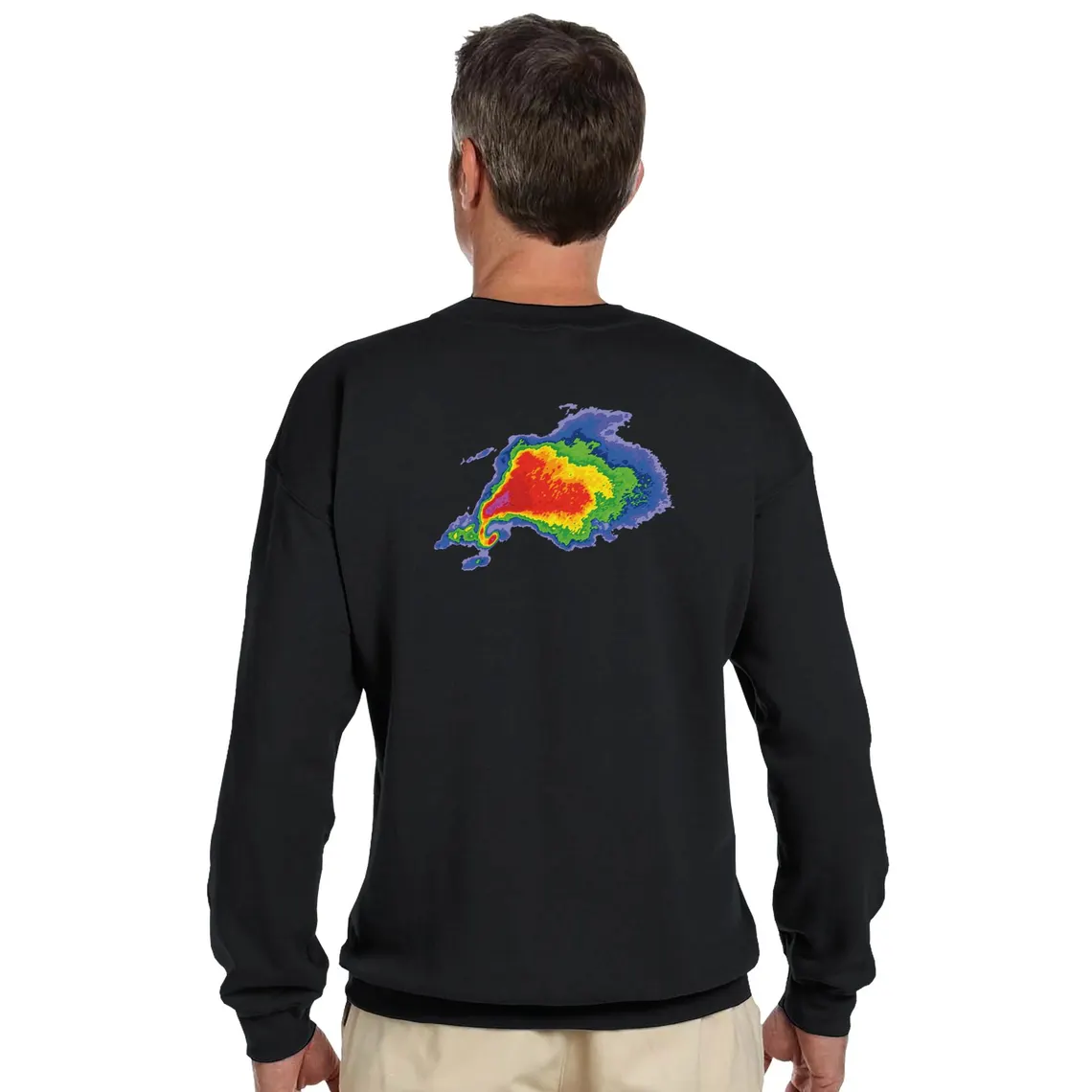
Their presence does not by itself indicate tornado production. Many well-organised supercells produce spectacular mammatus displays without ever touching down. What they tell you is that the storm above has the organised structure associated with severe weather potential. When combined with a hook echo on radar and a developing wall cloud beneath the updraft, mammatus are one more data point in an increasingly concerning picture.
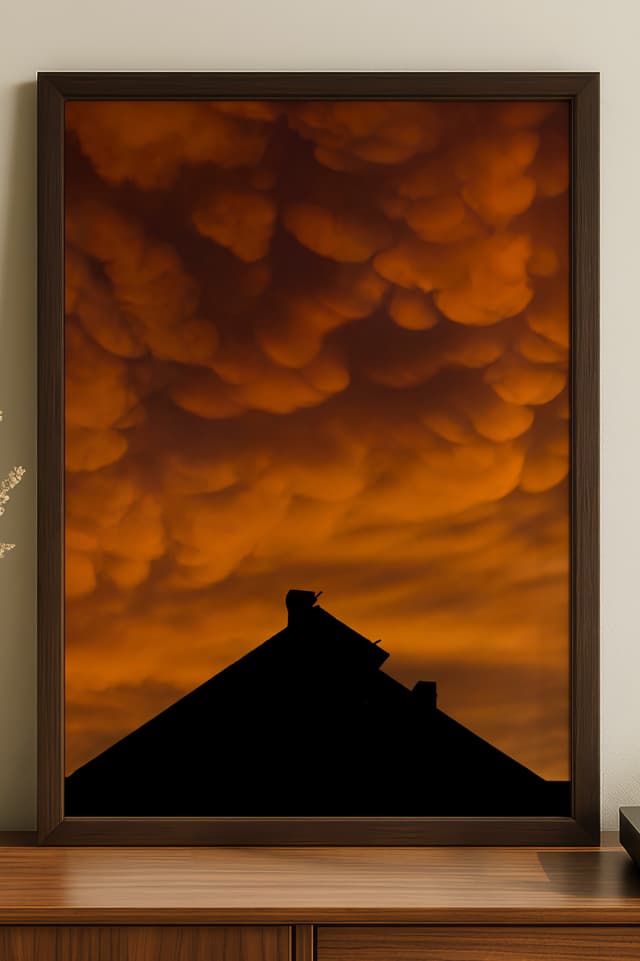
The colour of mammatus clouds can also provide information. Yellow, orange, or bronze-tinted mammatus occur when sunlight filters through the storm from a low angle, particularly near sunset. This is a lighting effect, not a physical storm characteristic, though it produces some of the most visually striking scenes in severe weather observation.
Mammatus and Tornado Relationship
There is a persistent misconception that mammatus directly precede tornadoes. They do not. Mammatus are an anvil-level feature; tornadoes develop beneath the updraft base, often tens of miles from where the mammatus are concentrated. Seeing mammatus does not mean a tornado is imminent at your location.
What mammatus indicate is a well-structured storm capable of severe weather. Combined with other visible features, including a rotating wall cloud or the kind of condensation-wrapped circulation associated with violent tornado types, they contribute to an overall picture of storm organisation. Read them as one piece of a larger storm observation, not as a standalone warning sign.
If you see mammatus beneath an anvil, the storm above is more organised than it looks from the ground.
Archives for storm chasers and meteorology obsessives
Museum-quality prints and technical apparel built on real data. Designed by those who chase.